Tackling Plastic Waste

Plastic bottles, bags and single-use packaging threaten Raja Ampat, clogging drainage systems and worsening flooding, which leads to serious health and economic consequences. Divers often see plastic at famous dive sites, tarnishing the region’s reputation as a prime ecotourism destination. Animals get trapped in or eat plastic and become ill or die. Currents deposit piles of plastic on beaches frequented by locals and visitors. PEP’s comprehensive approach for addressing this threat includes:

(1) education and training, 

(2) a circular economy strategy, and

(3) reduction, prevention and capture.

Education and Training

Clogged drainage systems in Waisai contributed to major flooding in 2025

Education

PEP conducts awareness raising activities on how plastic waste threatens communities’ health, safety (increased flooding from clogged drainage systems), surrounding ecosystems, and livelihoods, particularly tourism, as increasing quantities of marine plastic have begun to drive away would-be visitors.

Plastic bottles filled with low-quality, single-use plastic make great benches!

Training

PEP develops engaged community cohorts by providing training on rapid responses to patches of marine plastic, waste collection and sorting systems, local upcycling options, and more. Active participants are eligible for scholarships to support their education, particularly for ecotourism-based livelihoods.

Circular Economy

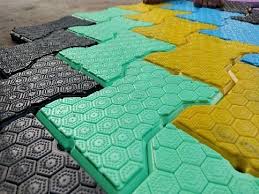
PEP currently produces bricks and paving stones from recycled plastic, sequestering large amounts of waste from Raja Ampat’s communities and ecosystems in the process. Plastic for these products is bought from Sorong’s Bank Sampah (waste bank), creating an incentive for plastic waste collection, cleaning and sorting in the region. Finished bricks and stones are sold to a wide range of clients, including the local government, companies and households. Proceeds help cover the costs of PEP’s plastic-related operations and scholarships. Further products are also being explored for production. These include tiles and planks to replace those made from iron wood (increasingly rare in the region) found on jetties across Raja Ampat. 

Ocean plastic on beach
Higher-value plastic is transported to Sorong with the help of liveaboards.
Recycling facility for turning waste plastic into useful products
Paving stones from recycled plastic

Reduction, Prevention, Capture

Papuan-based alternatives to plastic

Alternatives

PEP works with local leaders to encourage Papuan-based alternatives such as noken bags and thatch packaging (with vetiver grass from our ReefSaver or native plants), bamboo or reed straws, and more. This focus on locally available options creates jobs for Papuans, especially the elderly and other disadvantaged groups. Papuan-based, plastic-free packaging also keeps weaving traditions alive. 

Bans on the most pervasive plastic items

Supporting Policy: Bans and Fines

Bans must accompany the promotion of Papuan-based alternatives to accelerate behavior change across the population. Working with its government partners, PEP will help identify key products for bans, including plastic straws, bags, single-use sachets, certain bottles, plastic water cups, and more, relying on waste stream studies.

Of course, changing long-time behaviors is difficult, so alternative materials and bans may not be enough on their own. For that reason, PEP and the local government are investigating fines to reduce illegal plastic use and dumping. Plastic-use fees have already been integrated into local regulations but to no effect, unfortunately, making fines a necessary next step.

Capture devices at chokepoints

Capture

Certain spots like narrow points or bridges along rivers, drainage ditches, canals, and others will need to be equipped with barriers that capture plastic while allowing water and aquatic organisms to pass. PEP and the local government are studying where to install plastic-capture technology and the means of funding it.